
A plethora of gastronomic offerings are on nearly every corner in Asia’s cities, and in The Ritz-Carlton restaurants. But no trip to these great destinations is complete without experiencing the local street food, a delicious culinary institution.
A plethora of gastronomic offerings are on nearly every corner in Asia’s cities, and in The Ritz-Carlton restaurants. But no trip to these great destinations is complete without experiencing the local street food, a delicious culinary institution.
If you want to eat like the locals in Asia, then you should hit the streets. Simple food stalls serve some of the most authentic renditions of classic dishes. In Malacca, vendors hawk specialties like chicken rice balls while in Osaka, quick-and-easy comfort foods include okonomiyaki, a savory pancake. Exploring the street food scene in Asia’s ports provides an education in the region’s migration patterns, as different cultures have created a fusion of cuisine with distinctive ingredients, techniques and spices. Dig in.
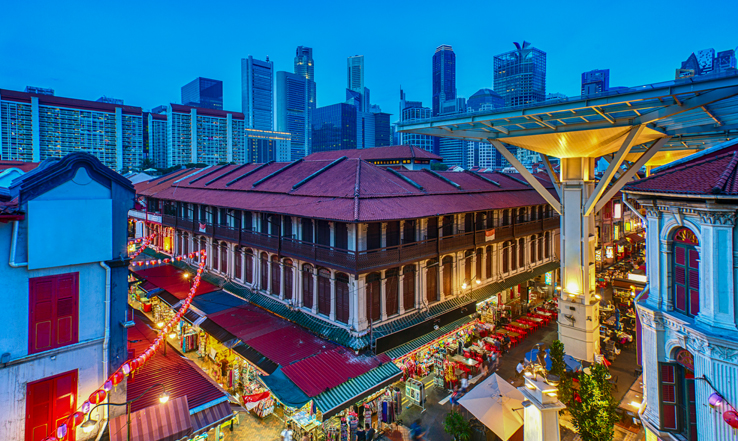
Singapore: Sample the Best of Asian Cuisine
Today, Colony, The Ritz-Carlton, Millennia Singapore’s signature restaurant, brings diners on a culinary journey through Singapore’s heritage cuisines. Singapore’s hawker culture, however, dates as far back as the 1800s, when migrants started to sell affordable meals in makeshift stalls in parks and curbside in town squares. Today, Singapore’s hawker culture is so unique that it was added to UNESCO’s Representative List of the Intangible Cultural Heritage of Humanity in 2020. Many of the city-state’s 13,000-plus stalls are clustered in open-air food courts where you can find a huge variety of cuisine ranging from Malay and Indian to Chinese and Peranakan (a mix of Chinese, Indonesia and Malay). Newton Food Centre has a pretty garden setting near Orchard Road and must-try stalls include Guan Kee Seafood for the sambal stingray and Hup Kee for the juicy fried oyster omelet.
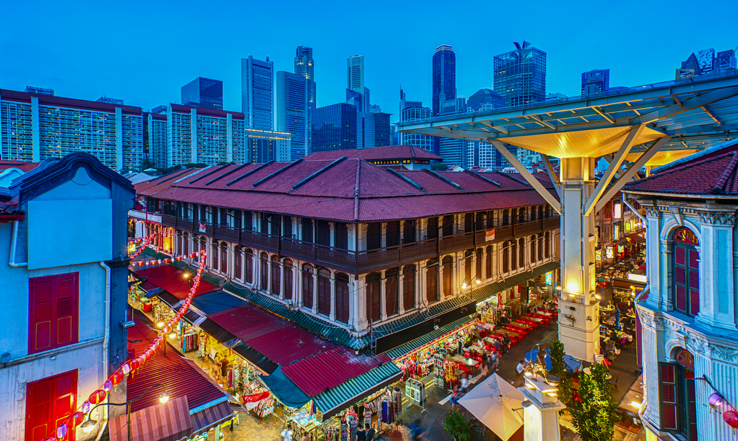
Malacca, Malaysia: A Melting Pot of Traditions
Nicknamed the food capital of Malaysia, Malacca is a melting pot of flavors from across Asia. The city’s multi-ethnic makeup is reflected in its unique cuisines, like Peranakan, a homey mash-up of Malaysian, Chinese and Indonesian cooking traditions, and Kristang, a fiery fusion of Portuguese, Dutch, British, Malay and Indian ingredients. Kee Ann and Jonker Street are popular night markets where you can taste classic street snacks like satay celup, a skewer of chicken, seafood or beef cooked in peanut sauce, and ikan cili garam, salted chili fish.
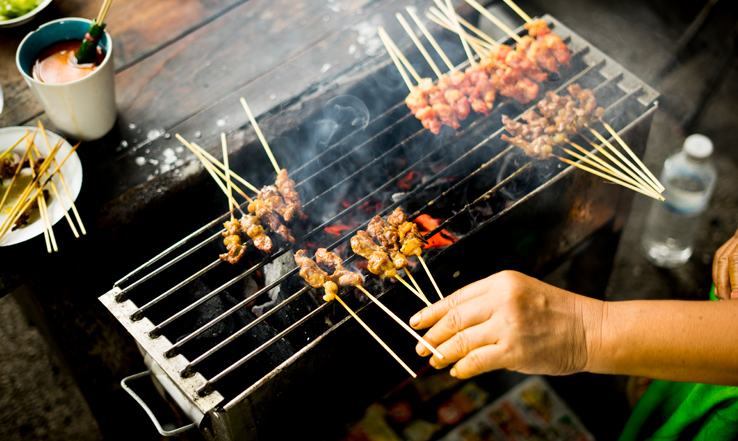
Seoul: Korean Cuisine — One Wrap, Roll and Cake at a Time
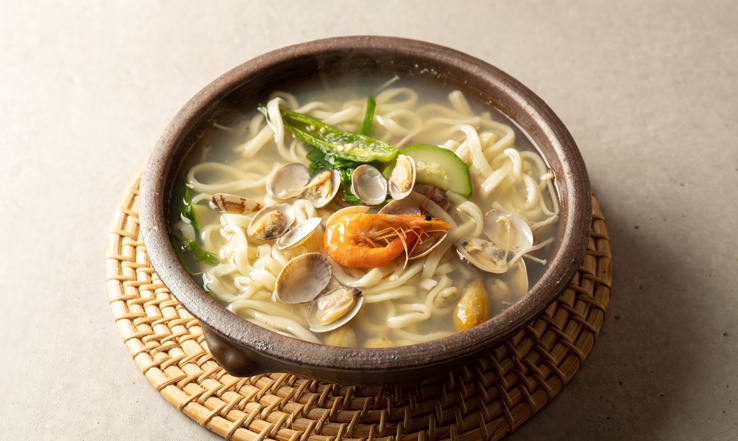
The plethora of markets in Seoul, about 90 minutes from the port of Incheon, can make it feel like one big open-air restaurant. Dating to the 1400s, Namdemun is the city’s oldest and largest market with more than 10,000 stalls and vendors. The food section is conveniently organized into thematic corridors, like Kalguksu Alley, a long row of noodle shops. Locals detour to Gwangjang Market for its unique mayak kimbap, a seaweed-wrapped rice roll stuffed with pickled daikon and carrot. No trip to Seoul is complete without sampling the beloved comfort food, tteokbokki — a chewy rice cake doused in spicy red pepper sauce. Sindang-dong Tteokbokki Town is home to dozens of eateries specializing in the dish.
Seoul: Korean Cuisine — One Wrap, Roll and Cake at a Time
The plethora of markets in Seoul, about 90 minutes from the port of Incheon, can make it feel like one big open-air restaurant. Dating to the 1400s, Namdemun is the city’s oldest and largest market with more than 10,000 stalls and vendors. The food section is conveniently organized into thematic corridors, like Kalguksu Alley, a long row of noodle shops. Locals detour to Gwangjang Market for its unique mayak kimbap, a seaweed-wrapped rice roll stuffed with pickled daikon and carrot. No trip to Seoul is complete without sampling the beloved comfort food, tteokbokki — a chewy rice cake doused in spicy red pepper sauce. Sindang-dong Tteokbokki Town is home to dozens of eateries specializing in the dish.
Osaka: From Adventurous Bites to Japanese Comfort Classics
Japan’s culinary mecca takes eating seriously. Osakans abide by the philosophy of kuidaore, which loosely translates to eat until you drop or ruin yourself with food. And there are plenty of places to do so, like Kuromon Ichiba (nicknamed Osaka’s Kitchen) and Ashiharabashi Up markets. Adventurous eaters should try tako tamago, a grilled whole baby octopus, filled with a quail’s egg, and horumonyaki, grilled beef and pork offal. Crowd-pleasing comfort foods include karaage, deep-fried chicken bites, and mitarashi-dango, skewers of grilled sticky rice dumplings brushed with a sweet soy glaze. Okonomiyaki, a savory crepe crafted from yam, flour, shredded cabbage and egg, is ubiquitous, but the best versions can be found at family-run Mizuno in Dotonbori.
Ho Chi Minh City: Vietnam’s Best Bites
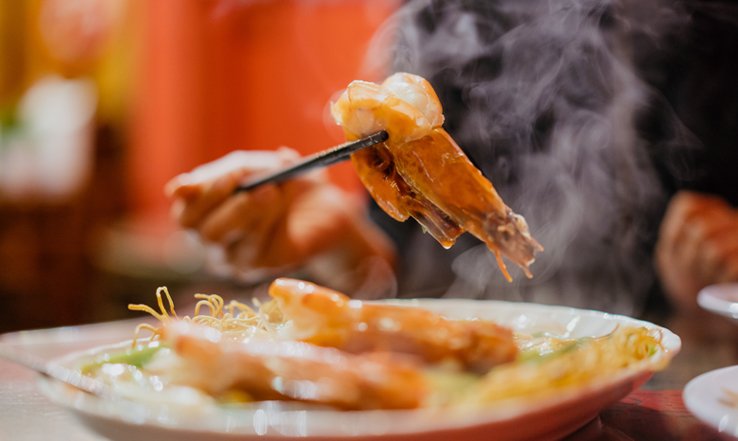
In 2023, the Ho Chi Minh City Department of Tourism created a video titled "All You Can Eat" to promote the city’s vibrant street food culture. Highlights: Ben Thanh Market, located in District 1, for the abundance of dessert stalls at Gate 7 and regional specialties such as bahn beo, water fern cake. Binh Tay Market, Soai Kinh Lam and Dai Quang Minh Market for Chinese-influenced dishes like roast duck, dumplings and kung fu noodles. Vĩnh Khánh Street, also known as Seafood Street, is lined with dozens of sizzling grills topped with crab claws and chili, fried sea snails, barbecued octopus and more.